Skip to content

Table of Contents
That persistent itch that won’t go away. Scratching until the skin feels raw. Waking up at night because skin itching won’t let sleep happen. Nearly everyone experiences occasional itching, but when it becomes constant or spreads across the body, it moves from minor annoyance to serious disruption of daily life.
Itching, medically called pruritus, affects people for dozens of different reasons. Sometimes it’s obvious, a mosquito bite, new laundry detergent, or poison ivy. Other times, the cause remains mysterious with no visible rash or clear trigger. Understanding what drives that uncomfortable urge to scratch can help determine whether simple home remedies will work or if a medical evaluation is needed. At Texas Vein and Vascular in Corpus Christi, TX, providers help people identify underlying causes when itching persists despite basic treatments.
Here’s what typically triggers itching and when that persistent scratching signals something more serious.
Understanding Why Itching Happens
Itching is your body’s way of saying something isn’t quite right on or under the skin. Nerve endings in your skin react to irritation or inflammation, sending signals to your brain that make you want to scratch.
Here’s a simple breakdown of common causes of itching and why they matter:
- Allergies: Contact with irritants like fragrances, detergents, or certain fabrics can trigger an allergic response. You may notice redness, bumps, or a mild itchy rash soon after exposure.
- Dry Skin: One of the most common reasons for skin itching at night, especially in cooler months or dry climates. The skin loses moisture, becoming rough, flaky, and sensitive.
- Skin Conditions: Eczema, psoriasis, and dermatitis all cause inflammation and itching, often accompanied by visible irritation or scaling.
- Insect Bites: Mosquitoes, bedbugs, and mites can leave behind small, intensely itchy welts that are hard to ignore.
- Infections: Fungal infections, such as athlete’s foot or ringworm, cause targeted itching with visible redness or patches.
- Systemic Conditions: Sometimes, itching without a rash can be linked to internal issues such as thyroid problems, liver disease, or kidney disorders.
- Medications or Hormones: Certain medications and hormonal shifts can make your skin more sensitive and prone to irritation.
While mild itching is often manageable at home, ongoing or unexplained symptoms should be evaluated by a medical professional, especially when they interfere with sleep, focus, or comfort.
Why You Shouldn’t Ignore Persistent Itching
A little itching might seem harmless, but scratching repeatedly can damage the skin, leading to infections, redness, and even scarring.
More importantly, chronic itching all over the body can signal conditions that need medical attention, such as:
- Circulatory problems that affect skin health
- Diabetes-related nerve irritation
- Allergic dermatitis or autoimmune issues
- Liver or kidney imbalance
- Venous insufficiency (poor circulation in the legs)
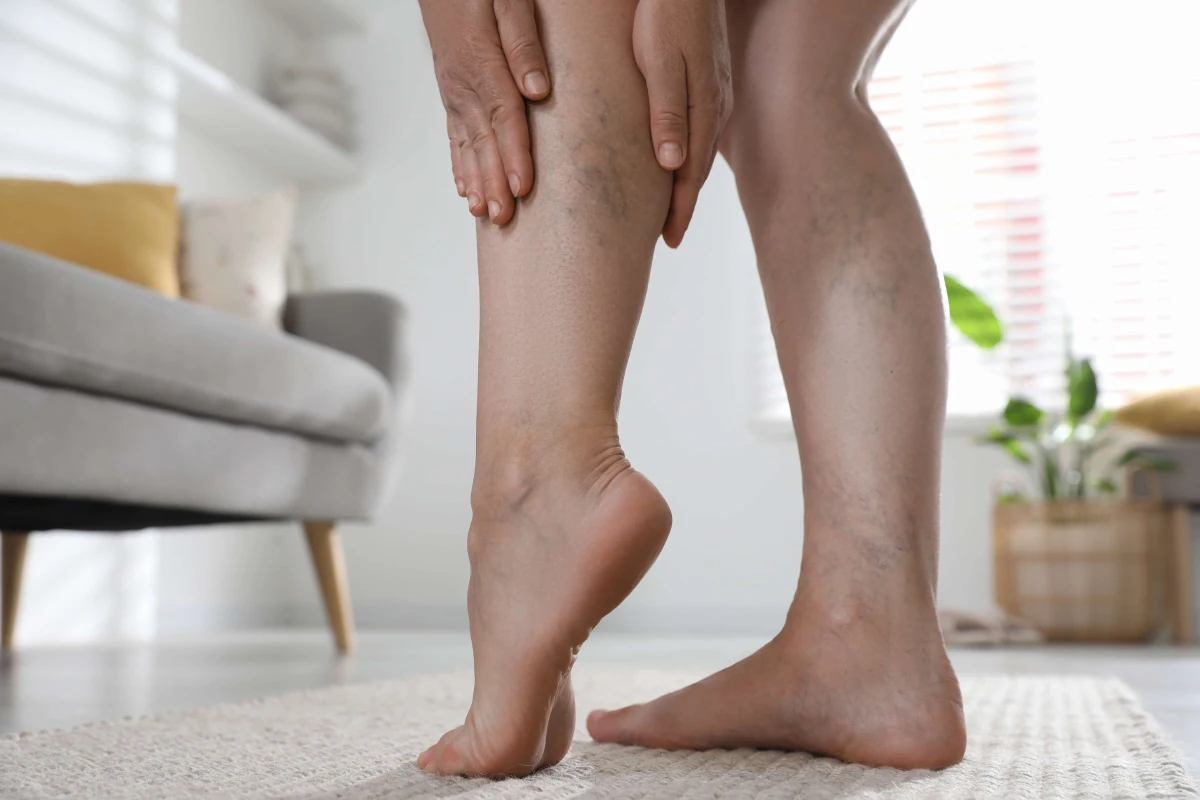
At Texas Vein and Vascular, our specialists often see patients whose leg itching is related to circulation issues rather than typical skin dryness or allergies. Identifying this difference helps target treatment effectively.
Common Triggers You Might Overlook
Numerous daily habits and surroundings can exacerbate itching, even when you believe your skincare regimen is effective. Typical offenders include:
- Hot showers: Strip natural oils from the skin, leaving it dry.
- Fragranced soaps and detergents: Can cause irritation or allergic reactions.
- Tight clothing: Traps heat and sweat, worsening itchiness.
- Stress: Triggers histamine release, which can increase skin sensitivity.
- Low humidity: Makes dry skin worse, especially during winter or with constant air conditioning.
Even if the itching feels mild now, paying attention to what triggers flare-ups can help you avoid worsening symptoms later.
How to Stop Itching Fast
When you’re in the middle of an itch, you want quick relief. If you’re wondering how to stop itching fast, home remedies can be a great option. While they may not fix every cause, they can calm the skin while you figure out the source.
Try these simple approaches to stop itching fast:
- Apply a cool, damp cloth or ice pack to the area.
- Use fragrance-free moisturizers after bathing.
- Take short, lukewarm showers instead of long, hot ones.
- Avoid scratching, as it only irritates the skin further.
- Use mild, hypoallergenic soaps and detergents.
- Wear breathable cotton clothing.
If the itch persists for more than a week, worsens at night, or is accompanied by other symptoms such as swelling or fatigue, it’s best to schedule an appointment with a provider.
Who Experiences Itching Most Often?
Itching can affect anyone, but certain groups are more prone to it.
- Older adults: Natural skin dryness increases with age.
- People with allergies or eczema: These conditions weaken the skin barrier.
- Those in dry climates: Lack of humidity leads to moisture loss.
- Patients with chronic conditions: Liver disease, kidney problems, and circulation issues, can all cause persistent itchiness.
If your skin is itching without a rash and nothing seems to help, that’s your body’s signal to look deeper for the cause.
When to See a Specialist
Persistent skin itching at night or constant irritation that doesn’t respond to basic care could mean it’s time to consult a professional. Medical evaluation may include a skin exam, blood work, or allergy testing to pinpoint what’s really going on.
At Texas Vein and Vascular, our team can identify whether the problem stems from dermatologic causes or circulation issues, both of which can lead to stubborn itching in the legs and body. If you’re dealing with itching in Corpus Christi, TX, addressing the root cause can help you find real relief rather than temporary fixes. If you’re experiencing these symptoms, contact us for a comprehensive evaluation.
FAQs About Itching
Why does my skin itch at night?
Your skin loses moisture as body temperature rises during sleep, making dryness and irritation more noticeable. Conditions like eczema or allergies can also cause skin itching at night.
Can itching be a sign of something serious?
Yes. Persistent or widespread itching throughout the body without a clear cause can be linked to internal conditions such as liver, kidney, or thyroid disorders. It’s best to get evaluated if itching lasts more than a week.
How can I tell if my itching is from an allergy?
Allergic itching often appears suddenly after exposure to a trigger, such as soap, fabric, or food. It usually includes redness or a mild itchy rash that improves once the trigger is removed.
Get Relief from Persistent Itching
It’s important to understand that itching can result from simple dry skin or more complex internal issues, which helps determine when home treatments are appropriate and when a professional assessment is needed. Persistent itching can disrupt sleep, interfere with daily activities, and indicate that the body requires attention.
For those in Corpus Christi, TX, the specialists at Texas Vein and Vascular offer a comprehensive evaluation for itching that continues despite basic treatments.
Stop scratching – start healing with expert care that identifies underlying causes and creates effective treatment plans for lasting relief.