Skip to content


Table of Contents
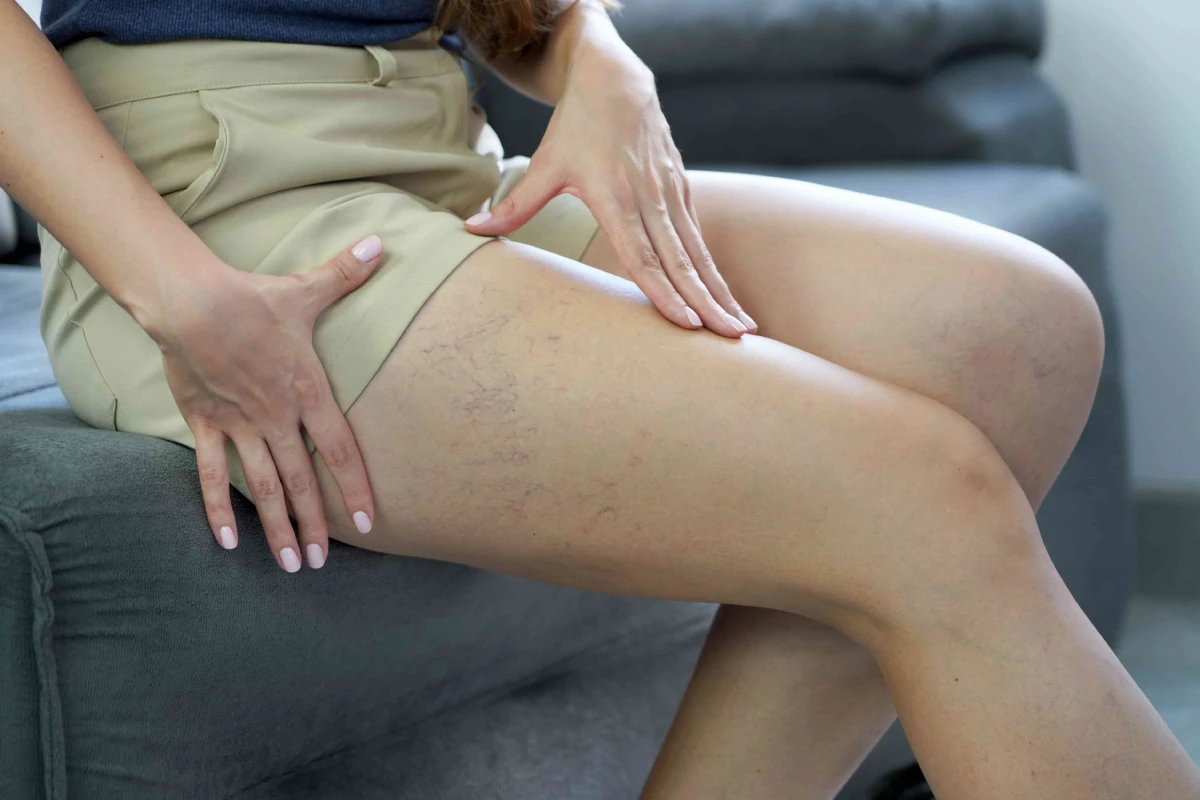
If a rope-like vein on your thigh or calf has become more noticeable, and your legs feel heavy or achy by the end of the day, those two things are often connected. Visible surface veins usually trace back to the same underlying problem that causes the discomfort.
At Texas Vein & Vascular in Corpus Christi, TX, ambulatory phlebectomy is one of the treatments we use most often for bulging veins close to the skin. This article covers why these veins develop, how the procedure removes them, and what a realistic recovery looks like.
Can ambulatory phlebectomy remove the bulges on my legs?
Ambulatory phlebectomy can remove bulging varicose veins close to the skin by taking them out through tiny punctures under local anesthesia. The procedure typically takes 30 to 60 minutes, most patients return to normal activities within a day or two, and treated veins don’t return, though new varicose veins can still develop over time, especially if underlying vein problems aren’t addressed.
Why Visible Surface Veins Develop
A few things happen when vein valves stop working properly:
- Tiny valves inside your leg veins normally keep blood flowing toward the heart, but when they weaken, blood can pool
- That pooling stretches veins near the surface, causing them to enlarge, twist, and bulge, which is what we call varicose veins
- The extra pressure often leads to aching, heaviness, swelling, or itching, so these veins aren’t only a cosmetic concern
Genetics, age, pregnancy, and jobs that keep you standing or sitting for long hours all play a role. In Corpus Christi, warm Gulf Coast weather can make leg swelling and visible veins more noticeable, which is often when patients start looking for a varicose vein treatment for heavy tired legs.
How Ambulatory Phlebectomy Removes Surface Veins
Ambulatory phlebectomy is an in-office procedure, and “ambulatory” simply means you walk in and walk out the same day. Because it removes the problem vein directly, many patients notice an improvement in how their legs look right after treatment, with symptoms often easing as the area heals.
Mapping the Veins
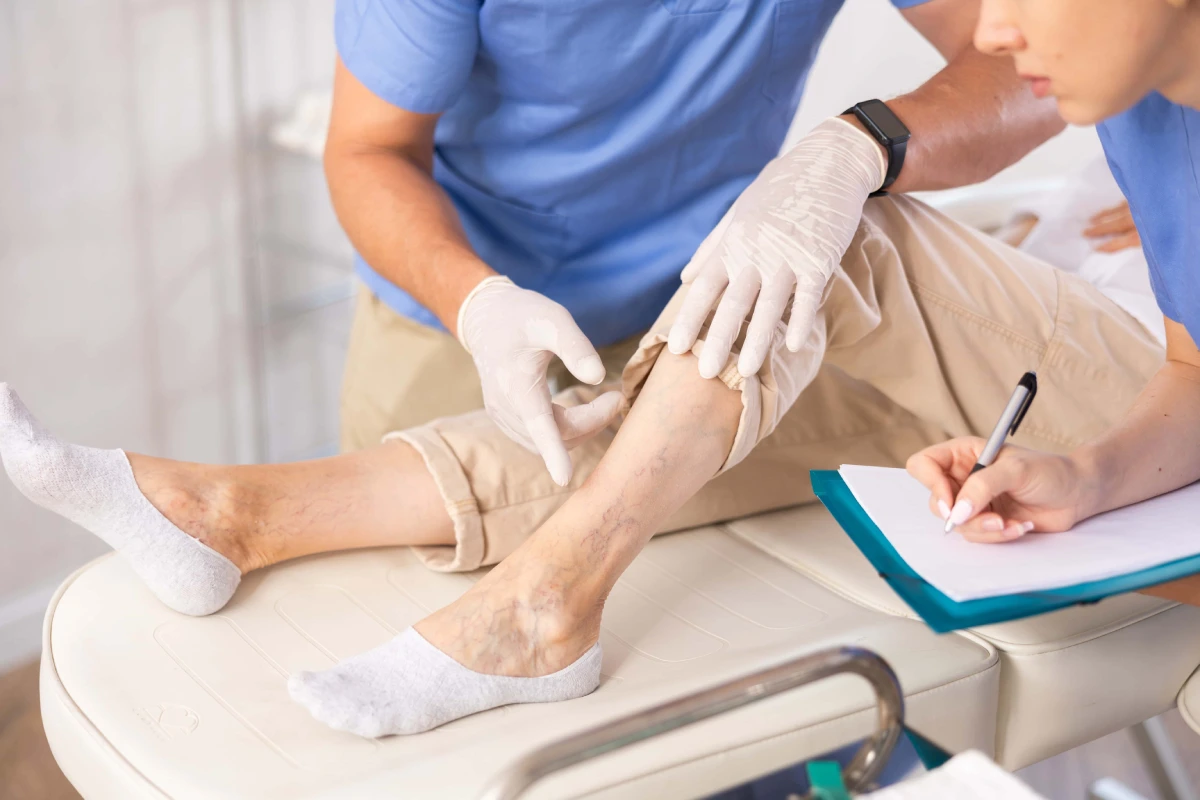
Before treatment begins, your provider evaluates and marks the veins to be removed. This step helps make sure the right veins are treated and that any deeper vein problems are identified first.
Numbing the Area
Local anesthesia numbs the treatment area, so most patients feel pressure rather than pain. General anesthesia isn’t needed for this procedure.
Removing the Vein Through Tiny Incisions
Your provider makes tiny punctures in the skin and uses a small hook to gently remove the vein in segments. This approach of addressing adult varicose veins through safe micro-incision typically leaves only small marks, and stitches usually aren’t needed. Depending on the number and size of the veins, the procedure typically takes 30 to 60 minutes.
Compression and Walking
Once the veins are removed, the leg is wrapped with compression as directed by your provider, and you’re encouraged to walk right away to support healthy blood flow.
Why Treated Veins Don’t Come Back, and What Can
Because the treated veins are physically removed, those specific veins won’t return. Your body naturally reroutes blood through healthier veins nearby, which is why improving leg circulation with localized surface vein extraction can also ease symptoms like heaviness for many patients.
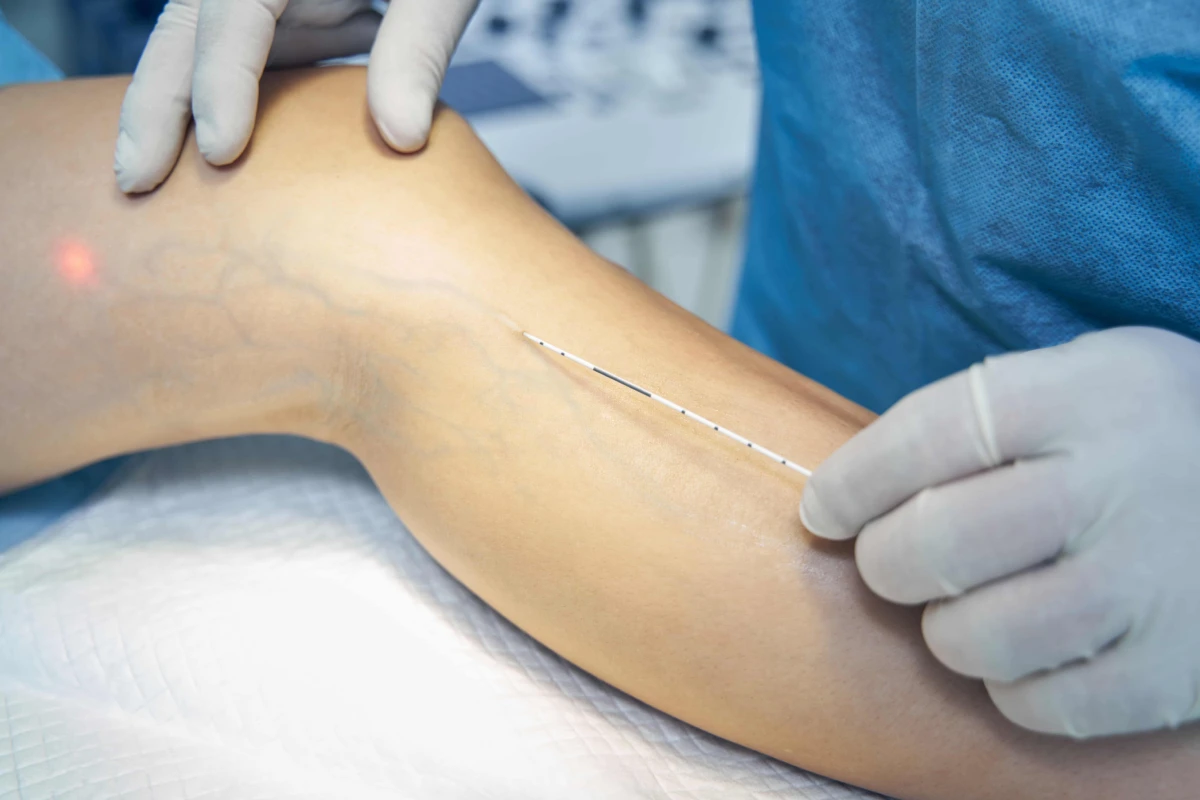
That said, new varicose veins can still develop over time due to genetics and aging. If an underlying condition called venous insufficiency, where larger veins struggle to move blood back to the heart, is present, it may need treatment first or alongside phlebectomy. At Texas Vein & Vascular, options like Endovenous Laser Therapy can address that deeper problem so results last longer.
What Recovery Looks Like
Recovery after ambulatory phlebectomy is typically short:
- Walking the same day
- Wearing compression as your provider recommends
- Returning to most normal activities within a day or two
- Avoiding strenuous exercise for about a week
Bruising, tenderness, and mild swelling are common and usually fade over a few weeks. The tiny incision marks typically fade gradually over several months. Staying active with regular walks during recovery helps support circulation as your legs heal. Less commonly, patients may notice temporary numbness, skin discoloration, or, rarely, infection.
Who Is a Good Candidate for Ambulatory Phlebectomy
This procedure tends to be well suited for adults with bulging varicose veins close to the skin’s surface, with or without symptoms. Common treatment areas include:
- Thighs
- Calves
- Ankles and feet
- Knees and the area behind the knees
This range makes it a common choice for improving thigh vein appearance and reducing visible surface bulges and persistent leg discomfort.
Phlebectomy isn’t always the right fit on its own. Smaller spider veins usually respond better to other approaches, and underlying vein disease may need to be treated first. You may need to wait if you:
- Are pregnant
- Have certain clotting disorders
- Have an active skin infection in the treatment area
If ankle swelling is part of your concern, a vein evaluation can help determine if varicose veins are involved, since a treatment for persistent ankle swelling depends on finding the actual cause. Sudden leg swelling, pain, warmth, or redness can signal a blood clot and needs urgent medical care right away, not a scheduled procedure.
FAQ
Does ambulatory phlebectomy hurt?
Most patients feel pressure rather than pain, since local anesthesia numbs the area during the procedure.
Will the treated veins come back?
The treated veins are removed and won’t return, though new varicose veins can develop over time, especially if underlying vein problems aren’t addressed.
How soon can I return to work after phlebectomy?
Most patients return to normal activities within a day or two, while avoiding strenuous exercise for about a week.
Will I have scars after ambulatory phlebectomy?
The punctures are very small, so most patients are left with tiny marks that fade over several months.
Smoother-Looking Legs Start With a Vein Evaluation in Corpus Christi
Ambulatory Phlebectomy removes visible surface veins through tiny incisions, with a short, walk-out recovery and results that many patients notice right away. If you’re considering a thigh varicose vein procedure in Corpus Christi, TX, our team at Texas Vein & Vascular can evaluate your veins and talk through the right plan.
Learn more about ambulatory phlebectomy in Corpus Christi, and contact us today with any questions. Book your ambulatory phlebectomy procedure now.