Skip to content

Table of Contents
If your thigh has a vein that has started bulging noticeably, and you have also noticed an ache or heaviness in the same area by the end of the day, these two things are not a coincidence. They usually trace back to the same underlying vein problem, which means treating one without the other rarely gives you the full picture.
At Texas Vein & Vascular in Corpus Christi, TX, Endovenous Laser Therapy is one of the treatments we use most often for exactly this combination. This article covers why bulging veins and thigh pain tend to show up together, how this treatment actually restores blood flow, and what a realistic recovery looks like.
How does endovenous laser therapy help relieve both poor blood flow and pain caused by bulging thigh veins?
The treatment uses targeted laser energy delivered through a thin fiber to close off the malfunctioning vein, which redirects blood flow to healthier veins nearby. As circulation improves, the pressure responsible for both the visible bulge and the discomfort tends to ease as well.
Why Bulging Veins and Thigh Pain Often Occur Together
A few things happen when vein valves stop working properly:
- Bulging veins, often varicose veins, develop when the valves inside a vein weaken and allow blood to pool instead of flowing properly back toward the heart
- That pooling increases pressure within the vein, which is a common source of the aching or heavy sensation felt in the thigh
- Because the visible bulge and the pain share the same underlying cause, one often does not improve without addressing the other
This is exactly why a treatment for bulging veins and leg pain typically needs to target the vein itself, not just the symptoms it produces.
How Endovenous Laser Therapy Actually Restores Blood Flow
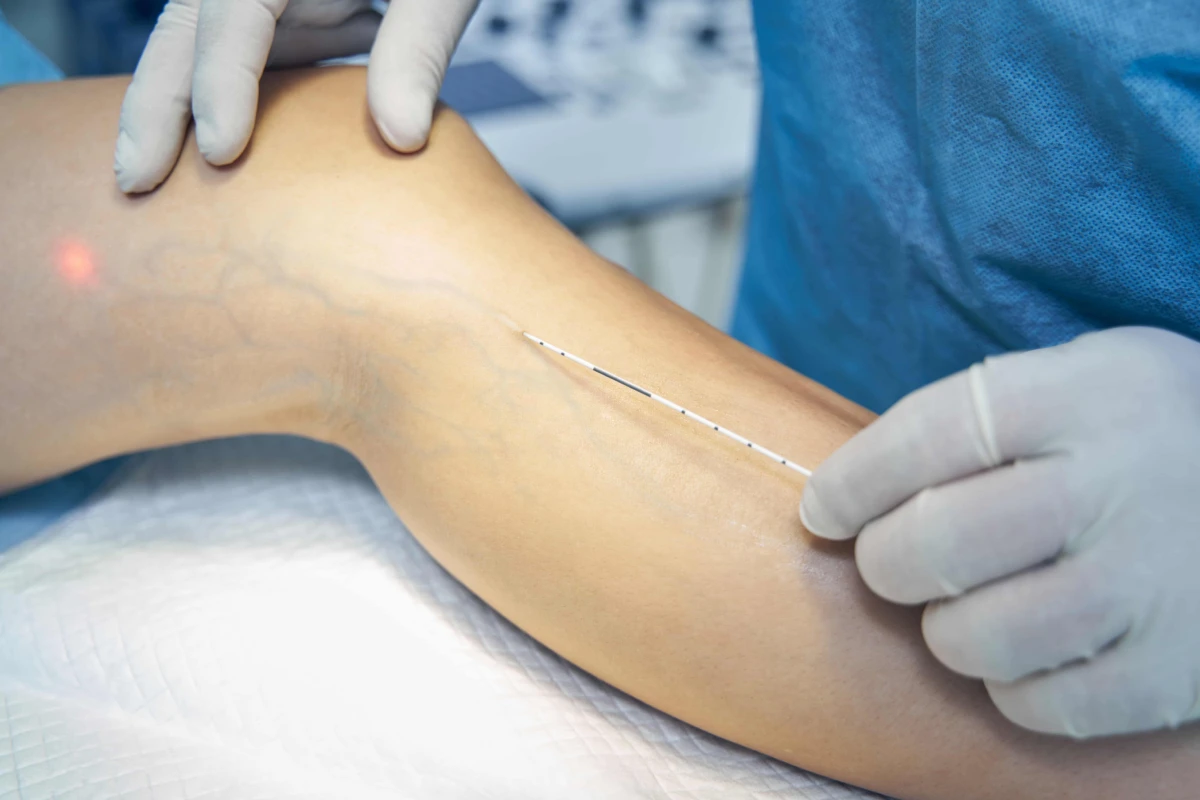
Endovenous Laser Therapy uses a thin fiber inserted directly into the affected vein to deliver targeted laser energy. That energy causes the vein to close, and the body gradually absorbs it over the following weeks, rerouting blood flow to healthier veins nearby.
Restoring proper circulation is what ultimately reduces the pressure responsible for both the bulging appearance and the discomfort. This is central to how a professional vein procedure for bulging veins and leg pain addresses the actual source of the problem rather than simply masking it.
How This Treatment Differs From Older Vein Removal Methods
Vein stripping involves surgically removing the problematic vein, which typically requires more downtime and a longer recovery. Endovenous laser therapy takes a different approach entirely:
- Performed through a small access point rather than a surgical incision
- Requires local anesthesia rather than general anesthesia in most cases
- Involves significantly less downtime than traditional vein stripping
This distinction is often central to why patients researching bulging veins and thigh pain increasingly consider laser treatment over older surgical options. A minimally invasive vascular procedure for thigh vein circulation tends to offer a more comfortable path forward without sacrificing effectiveness.
What Happens to the Pain Specifically After Treatment
Pain relief is closely tied to restored blood flow and reduced pressure in the affected area, not simply the vein becoming less visible. Some patients notice improvement in discomfort before the visible appearance of the vein fully changes, since the two outcomes develop somewhat independently.
Results and timeline for pain relief can vary depending on how long the vein issue was present and how severe it had become. This is worth knowing going in, since expecting the pain and the appearance to resolve on the exact same schedule is not always realistic.
What Does the Endovenous Laser Therapy Procedure Involve?
The procedure typically involves local anesthesia, a small access point, and insertion of the laser fiber to close the affected vein. Sessions generally take between 45 minutes and an hour, depending on the number and size of veins being treated.
This is typically performed in an outpatient setting with minimal downtime, and most patients resume normal activities within a day, though avoiding strenuous exercise for about a week is generally recommended. This is a meaningful contrast to the longer recovery associated with vein stripping.
What Results Can You Expect, and How Long Does It Take?
Results tend to build gradually rather than appearing all at once:
- Initial improvement in blood flow begins soon after the treated vein closes, though full results develop over the following weeks
- Visible improvement in the bulging vein’s appearance tends to continue gradually as the body absorbs the closed vein
- Full results are typically visible within a few months, though timelines vary based on the severity of the underlying vein disease
This gradual process is part of what supports genuine thigh vein circulation therapy in Corpus Christi, TX, since the body needs time to fully adjust its circulation patterns after the treated vein closes.
Is Endovenous Laser Therapy Right for You?
This treatment tends to be well suited for patients who are:
- Dealing with bulging, painful veins linked to an identifiable underlying vein condition
- Interested in restoring healthy blood flow and smoothing thigh appearance without a more invasive surgical approach
- Looking for a treatment with shorter recovery time than traditional vein stripping
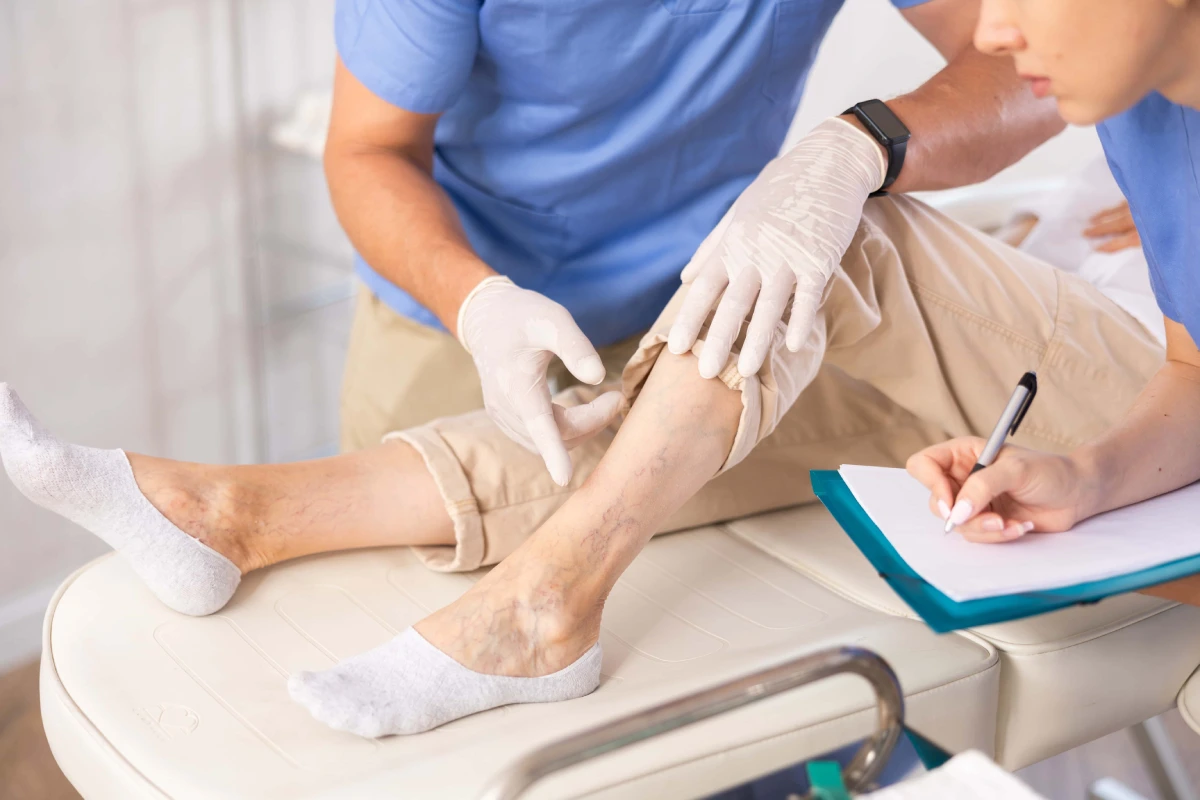
A vein evaluation, often including ultrasound imaging, helps confirm which vein is malfunctioning before treatment begins. Not every case of vein-related discomfort is identical, so a consultation is the clearest way to determine whether this specific treatment fits your situation.
FAQs
Does endovenous laser therapy hurt?
Most patients experience only minimal discomfort, since a local anesthetic is used, though some describe a slight warming sensation during the procedure.
How long is recovery compared to vein stripping?
Recovery is significantly shorter, with most patients returning to normal activities within a day, compared to the longer downtime typically associated with surgical vein stripping.
Can the treated vein or a nearby vein develop the same problem again?
The treated vein itself should not cause the same issue again once closed, though some patients may develop new varicose veins over time and require additional treatment.
How long does the procedure itself typically take?
Most sessions take between 45 minutes and an hour, depending on the number and size of the veins being treated.
Ready to Address the Source of Your Symptoms?
Bulging veins and thigh pain are frustrating precisely because they tend to persist until the underlying vein is actually treated, not just managed around. Our team at Texas Vein & Vascular in Corpus Christi, TX can evaluate your specific veins and talk through whether Endovenous Laser Therapy fits your situation.
Contact us today with any questions. Book your Endovenous Laser session!