Skip to content

Table of Contents
If your legs swell by the end of the day no matter what you do, or you have noticed the skin around your ankle starting to look different than it used to, you are dealing with something that usually traces back to a specific vein, not just a bad day on your feet. Understanding that connection is the first step toward actually addressing it.
At Texas Vein & Vascular in Corpus Christi, TX, Varithena is one of the treatments we use most often for exactly this combination of symptoms. Knowing how it works helps set realistic expectations before moving forward with treatment.
How does Varithena reduce persistent leg swelling and venous skin changes for healthy legs?
Varithena closes off the diseased vein causing blood to pool in the leg, which relieves the pressure responsible for swelling and allows circulation to improve over time. As blood flow normalizes, many patients also see gradual improvement in the skin changes connected to that same underlying pressure.
Why Diseased Veins Cause Persistent Swelling and Skin Changes
When the valves inside a vein stop working properly, blood pools in the lower leg instead of returning efficiently to the heart. A few things tend to happen as a result:
- Pressure builds in the surrounding tissue, causing swelling that does not resolve on its own
- Over time, that same pressure can affect the skin’s appearance and texture, particularly around the ankle
- Swelling and skin changes often show up together, since both trace back to the same underlying vein problem rather than being separate issues
What Varithena Is and How It Works
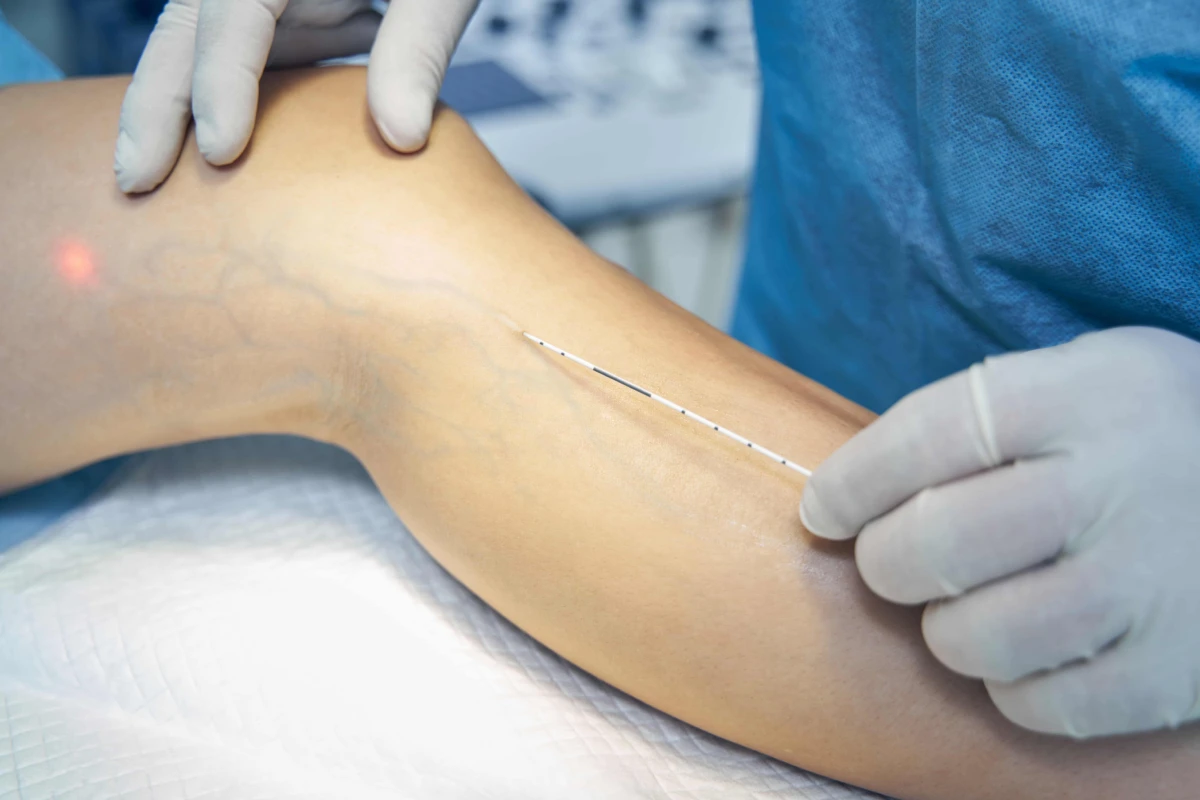
Varithena is an FDA approved foam sclerotherapy treatment injected directly into the affected vein. Once injected, the foam causes the diseased vein to collapse, and the body gradually absorbs it over the following weeks. This makes it a genuinely effective foam sclerotherapy procedure for bulging leg veins that other treatment methods struggle to reach.
Once the diseased vein is closed off, blood naturally reroutes through healthier veins nearby, which is the mechanism behind everything that follows. This is also why Varithena works well as injectable foam therapy for twisted varicose veins, since it can reach veins that are difficult to treat with more traditional approaches.
How Varithena Addresses Persistent Leg Swelling
This is the part that answers the first half of the title’s question directly. Closing the source vein reduces the pooling and pressure that caused the swelling in the first place, rather than just addressing the swelling itself. As circulation improves in the treated leg, patients often notice a gradual reduction in swelling over the following weeks.
This distinction matters. Varithena is not treating the swelling directly, it is treating the vein causing the pressure behind it, which is also central to reducing heavy aching legs that so many patients describe by the end of a long day.
How Varithena Addresses Venous Skin Changes
This addresses the second half of the title’s question, and it is worth being careful here. Skin changes near affected veins, including discoloration or thickened texture, often stem from that same chronic pressure and poor circulation. As blood flow improves after treatment, some patients see gradual improvement in skin appearance in the treated area.
It is important to be honest that more advanced skin changes, such as ulcers, may require broader medical evaluation beyond vein treatment alone. A vascular provider assesses the specific pattern and severity of skin involvement directly, rather than assuming Varithena addresses every type of skin change equally.
What Results Look Like Over Time
A few things to know about how results typically develop:
- Visible improvement usually appears within a few weeks of treatment
- Continued improvement follows as the body absorbs the treated vein
- Most patients complete the process with one or a small number of sessions, depending on how extensive the affected veins are
- Results are generally long lasting, though follow up treatment may be needed depending on the severity of the underlying vein disease
This gradual timeline is part of what supports healthy leg circulation restoration in Corpus Christi, TX, since the body needs time to fully process the treated vein and adjust circulation patterns.
Who Tends to Be a Good Candidate
Varithena tends to work best for patients dealing with:
- Symptomatic varicose veins causing swelling, discomfort, or skin changes
- Veins that are twisted, bulging, or difficult to treat with more traditional methods
- Varicose vein foam injections for leg aching as a primary concern, alongside visible vein changes
A vascular evaluation is genuinely the clearest way to determine whether Varithena or a different treatment approach fits your specific pattern of vein disease, especially when reducing chronic leg fatigue and painful varicose veins is part of a broader picture that needs a full assessment rather than guesswork.
Frequently Asked Questions
Is the procedure painful?
Varithena is minimally invasive and typically involves only minimal discomfort. Most patients describe the sensation as mild and temporary.
How many treatment sessions are typically needed?
This depends on the extent of the affected veins. Some patients see meaningful results after one session, while others benefit from a small number of follow-up treatments.
When should persistent leg swelling be evaluated by a doctor rather than waited out?
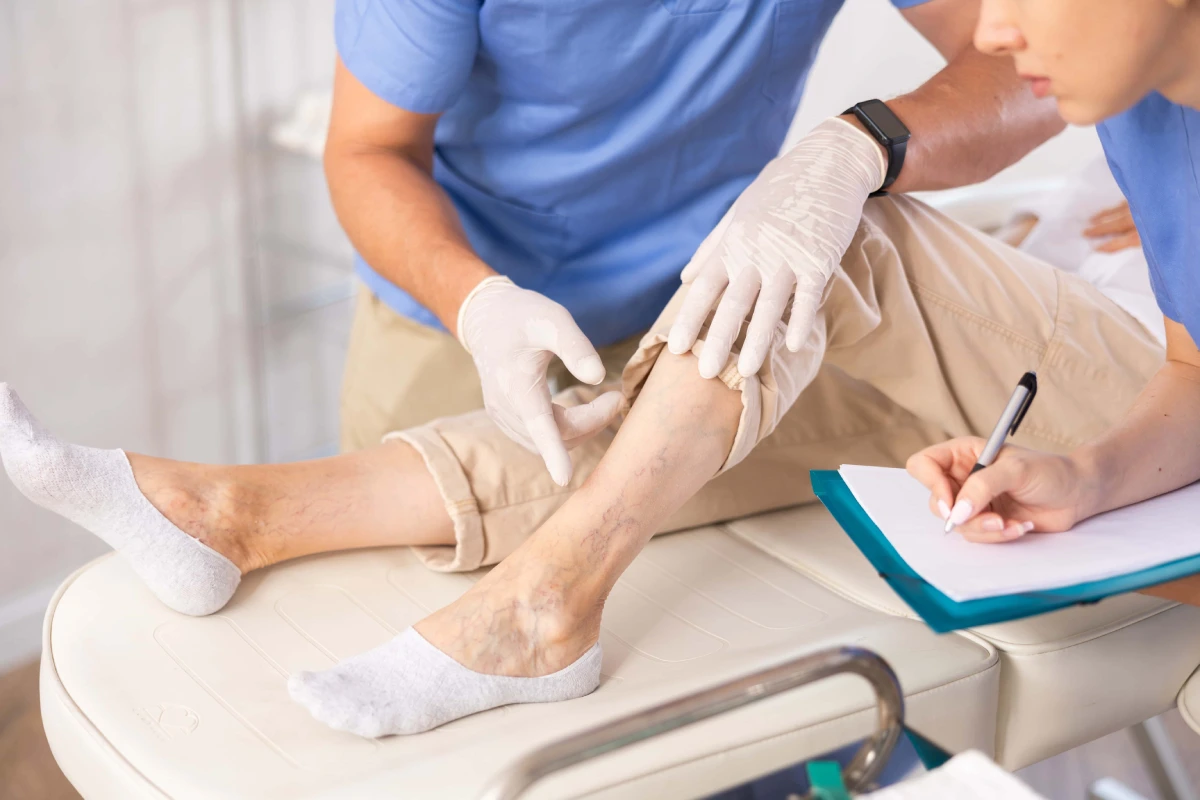
Swelling that does not improve with rest or elevation, or that comes with skin changes, discomfort, or heaviness, is worth having evaluated rather than assuming it will resolve on its own.
What areas of the leg can Varithena treat?
Varithena can address varicose veins in the legs, thighs, calves, ankles, and knees, making it a versatile option across different areas affected by vein disease.
Ready to Address the Source of Your Symptoms?
Persistent leg swelling and skin changes are frustrating precisely because they tend to come back no matter what you try on your own, and that makes sense once you understand the vein behind them is still there. Varithena gives us a way to close off that vein directly, addressing the actual source rather than just managing symptoms.
At Texas Vein & Vascular in Corpus Christi, TX, we take the time to evaluate your specific veins before recommending a treatment plan, so the approach genuinely fits what is causing your symptoms. If you’re ready to talk it through, contact us today.
Start your Varithena leg pain relief journey today and take the first step toward healthier, more comfortable legs.